
Aviator
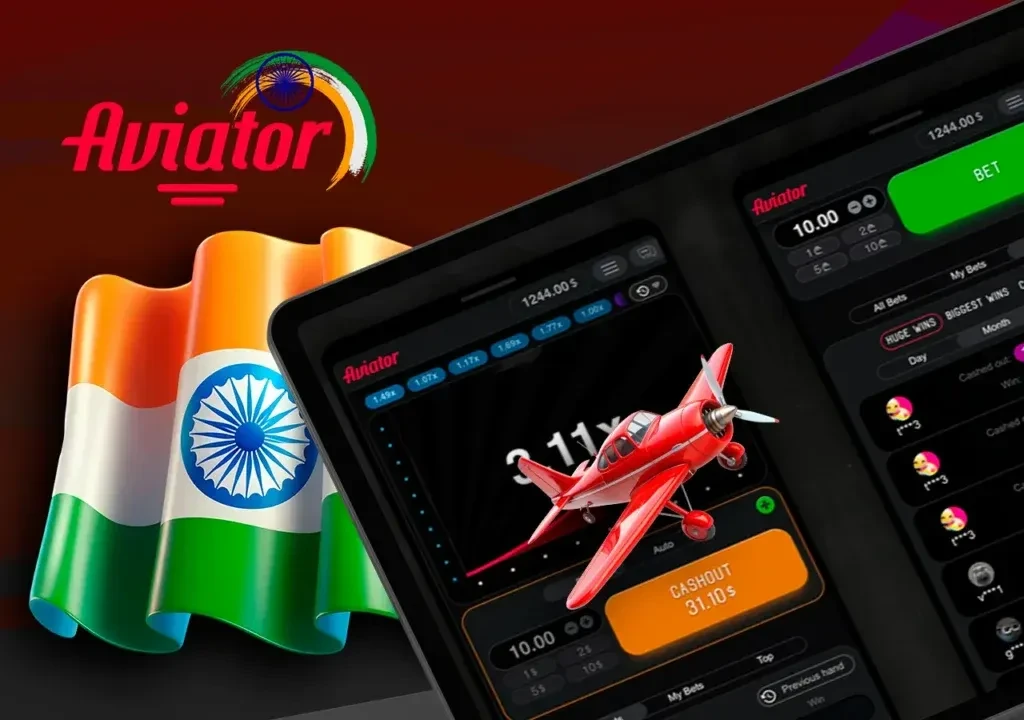
About this game
India is the largest single audience this game has, and the version played here differs from the international one in the parts that surround the round rather than the round itself: rupee balances, UPI rails, KYC, and a network that behaves very differently at 9 pm than at 3 pm. This page is about those parts.
Money in and money out
- INR balances — no conversion, no exchange spread quietly taken on the way in.
- UPI, net banking, wallets — deposits at supported operators are normally instant.
- Same route back — withdrawals return to the method you deposited with, which is a rule rather than a preference.
- KYC once — usually PAN plus an address document, processed before the first payout.
Why the first withdrawal feels slow
Almost every complaint about payouts in this market is really a complaint about verification timing. Operators are required to complete KYC before releasing funds, and most people only submit documents at the moment they first try to withdraw — so the delay lands there and looks like a payout problem. Submitting documents right after you register moves that wait to a moment when you are not impatient.
The network is the other half of the experience
Round timing depends on latency, and Indian mobile networks swing widely by hour and by district. Setting auto cash-out before the plane lifts makes a connection dip cost you nothing, because the exit is enforced server-side rather than by your tap. Playing in the installed app rather than a browser tab also helps, since mobile browsers throttle tabs they think you have left.
Predictor groups are selling nothing
Signal channels and predictor apps are unusually aggressive in the Indian market. They cannot work: each round's outcome is generated before the round starts, and the provably fair mechanism exists specifically so you can check that after the fact. Anyone charging for predictions is charging for a pattern that does not exist.
The legal position, plainly
Real-money gaming in India is regulated at state level, not nationally, and several states prohibit it outright. Where you physically are decides what applies to you. The demo involves no stake and no deposit, so none of this attaches to it — which makes it the sensible place to start regardless.
18+ only. Real-money play is restricted to adults and is not legal in every Indian state — check your own state's rules before you deposit. Set a limit first, and treat anything you lose as the cost of the evening.
Data safety details vary by device, region, and build.
Demo rounds need no account. Real-money play requires a verified operator account, and Indian operators are obliged to complete KYC before a first withdrawal — usually PAN plus one address document.
Collected: account identifier, KYC documents where the operator is required to hold them, transaction records, device diagnostics, round history.
Not collected: contacts, SMS, photos beyond documents you upload yourself, precise location.
Shared: nothing is sold. Payment processors, the licensed operator and, where the law requires it, tax authorities receive transaction data.
Security: TLS in transit; uploaded documents are encrypted at rest.
Controls: deletion requests go to support, subject to the retention periods operators are legally required to observe.


Ratings and reviews

- Report as inappropriate

- Report as inappropriate

- Report as inappropriate